Assistant Professor, University of Miami
Prior Experience
Post-Doctoral Scholar, The University of Texas at Austin
Education
Ph.D. in Chemical Engineering, University of Arkansas, Arkansas, United States
M.S. in Chemical Engineering, University of Puerto Rico, Mayaguez, Puerto Rico
B.S. in Chemical Engineering, Universidad del Atlantico, Barranquilla, Colombia
Email: dac439@miami.edu | Google Scholar | CV
Dr. David Castilla-Casadiego is an Assistant Professor in the Department of Biomedical Engineering at the University of Miami. He also holds a secondary appointment in the Department of Chemical, Environmental, and Materials Engineering. Prior to joining the University of Miami in 2025, he completed his postdoctoral fellowship in Chemical Engineering at The University of Texas at Austin. Dr. Castilla-Casadiego earned his Ph.D. in Chemical Engineering from the University of Arkansas, his M.S. in Chemical Engineering from the University of Puerto Rico at Mayagüez, and his B.S. in Chemical Engineering from Universidad del Atlántico in Colombia.
Working at the interface of polymer science and biology, Dr. Castilla-Casadiego's research focuses on the design of polymeric biomaterials, including hydrogels, nanofibrous scaffolds, surface coatings, composites, and microneedle-based systems, for applications in stem cell manufacturing, tissue regeneration, drug delivery, and biosensing. His work aims to address critical challenges in human and animal health through the development of biomaterial platforms that regulate cell behavior and therapeutic function. His scholarly contributions include more than 20 peer-reviewed publications, 3 book chapters, and 2 U.S. patents.
Dr. Castilla-Casadiego's work has been recognized through numerous honors, including the NIH K99/R00 Pathway to Independence Award, the Society for Biomaterials Postdoctoral Young Investigator Award, the AIChE IDEAL Star Award, the Rising Star in Engineering and Health Award, the Cells Tissues Organs Young Investigator Award, and the Distinguished Alumnus Award from Universidad del Atlántico.
Education
Ph.D. in Biomedical Engineering, University of Arkansas
M.S. in Biomedical Engineering, University of Arkansas
B.S. in Biomedical Engineering, University of Arkansas
Project: Scannable QR Code Tattoo Microneedle Patches for Animal Identification and Health Monitoring
Email: kam1000@miami.edu | Google Scholar | CV
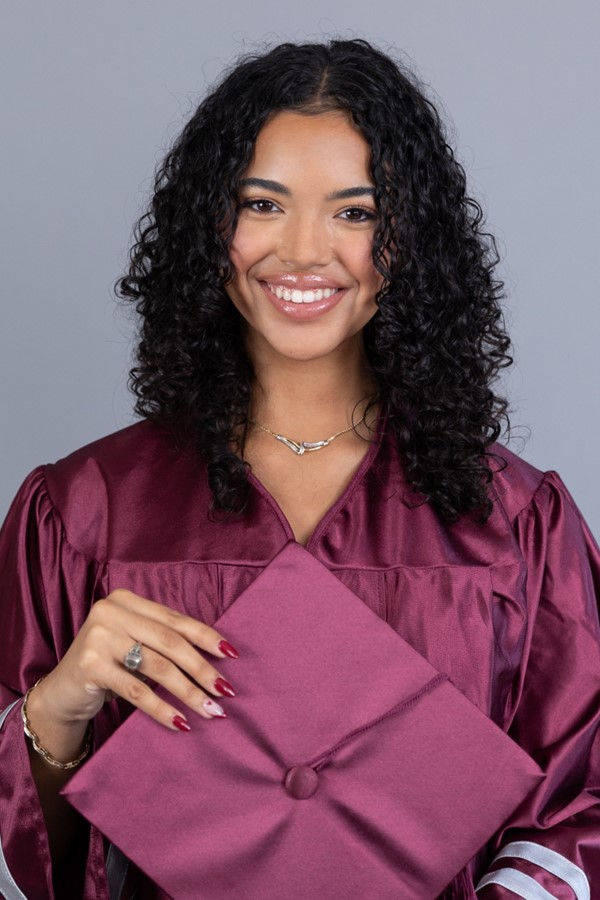
Dr. Miranda-Munoz is a Postdoctoral Associate in the Department of Biomedical Engineering at the University of Miami, where she conducts research on polymeric biomaterials, microneedle technologies, and advanced drug delivery systems for both veterinary and human health applications. Originally from Panama, she earned her B.S., M.S., and Ph.D. in Biomedical Engineering from the University of Arkansas and completed a Graduate Certificate in Entrepreneurship.
During her doctoral training in the Polymeric Biomaterials Laboratory under Dr. Jorge Almodóvar, Katherine led the development of biodegradable microneedle patches for transdermal drug delivery, conducting extensive in vitro, ex vivo, and in vivo studies focused on veterinary therapeutics. Her research has resulted in multiple peer-reviewed publications, including articles in ACS Nano, RSC Pharmaceutics, PLOS ONE, and other leading journals.
Beyond academia, Katherine has experience in biomedical product development, technology commercialization, and entrepreneurship through roles at Yaya Scientific and Winrock International’s Science Venture Studio. She has led customer discovery efforts, developed commercialization strategies for biomedical innovations, and received several awards recognizing both her research and entrepreneurial achievements. Her current work focuses on translating biomaterials-based technologies into practical healthcare solutions through interdisciplinary collaboration among engineering, medicine, and animal science.
Education:
B.S. in Chemical Engineering, “Universidad del Atlantico”, Barranquilla, Colombia
Project: Regulating the Potential of Stem Cells with Biophysical Cues of Dynamic Nanofibrous Hydrogels
Email: afr130@miami.edu | Google Scholar | LinkedIn | CV
Andres is a Ph.D. Student in the Department of Biomedical Engineering at the University of Miami, where he conducts research on polymeric biomaterials, nanofibrous hydrogels, stem cell manufacturing, and regenerative medicine applications. Originally from Colombia, he earned his B.Sc. in Chemical Engineering from Universidad del Atlántico, where he ranked first in his class and received multiple merit-based scholarships for academic excellence. He is currently advised by Dr. David A. Castilla-Casadiego, and his doctoral research focuses on regulating the quality and potency of human mesenchymal stem cells using biophysical cues from nanofibrous hydrogel systems.
During his academic training, Andres developed expertise in electrospinning, membrane distillation, hydrogel-based biomaterials, cell-material interactions, and regenerative medicine. As an undergraduate researcher in the Bioprocesses Research Group at Universidad del Atlántico, he worked on electrospun nanofibrous membranes for water treatment applications. At the University of Miami, his current work investigates how nanofiber density and hydrogel architecture regulate material mechanics, cell morphology, viability, cell-material interactions, and secretory behavior. His research has resulted in multiple peer-reviewed publications in journals including Cells Tissues Organs, Gels, and HardwareX, with contributions spanning biomaterial charge, nanofibrous-composite hydrogels, hydrogel network architecture, and electrospinning system development.
Beyond research, Andres has experience in pharmaceutical regulatory processes through his role as a Licensing Analyst Apprentice at Procaps S.A., where he supported product dossier review, technical documentation, and regulatory compliance for pharmaceutical product licensing. He also contributes to leadership, mentorship, and service at the University of Miami as an undergraduate research mentor, laboratory safety and inventory lead, judge at the Research, Creativity, and Innovation Forum, and Academic Chair of the Alpha Eta Mu Beta Biomedical Engineering Honor Society. His current work focuses on developing biomaterials-based platforms to improve stem cell behavior and advance therapeutic applications through interdisciplinary collaboration among engineering, biology, and medicine.
Education:
B.S. in Chemical Engineering, Universidad del Atlantico, Barranquilla, Colombia
Project: Injectable Dynamic Nanofibrous Hydrogel for Cartilage Regeneration
Email: jag932@miami.edu | Google Scholar | CV
Jhonatan is a Ph.D. student in the Department of Biomedical Engineering at the University of Miami. He earned his B.S. in Chemical Engineering from Universidad del Atlántico in Colombia, where he graduated among the top-ranked students of his class and received multiple Academic Excellence Scholarships. During his undergraduate training, he developed a strong interest in biomaterials, manufacturing technologies, and translational engineering approaches for healthcare applications.
As an undergraduate researcher, Jhonatan worked on the development of electrospun membranes for water treatment and separation technologies. His research included the design and construction of a low-cost electrospinning platform with bidirectional collector motion, as well as the development of membrane distillation systems for experimental purification processes. These experiences provided him with extensive training in materials fabrication, characterization, and engineering design.
Currently, he conducts research in the Castilla-Casadiego Laboratory at the University of Miami, where he focuses on the development of injectable dynamic hydrogels for cartilage regeneration and osteoarthritis treatment. His work integrates biomaterials engineering, polymer functionalization, electrospinning, nanofiber fabrication, rheological characterization, and cell–material interaction studies to create advanced regenerative medicine platforms.
Jhonatan has authored and co-authored several peer-reviewed publications, including first-author articles in HardwareX and Gels. In addition to his research activities, he mentors undergraduate and master’s students and actively participates in professional and scientific organizations, including Sigma Xi, Alpha Eta Mu Beta, and The National Society of Leadership and Success.
Education:
B.S. in Biomedical Engineering, University of Arkansas, Fayetteville, Arkansas
Project: Nanofibrous Biodegradable Microneedle Patches for Alopecia Treatment
Email: keb247@miami.edu | Google Scholar | LinkedIn | CV
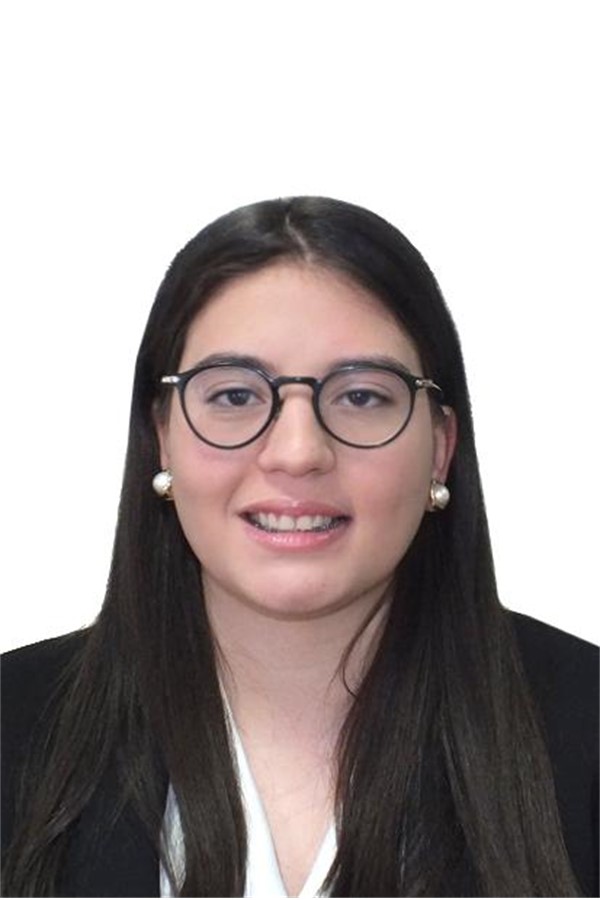
Kerlin is a master’s student in Biomedical Engineering at the University of Miami. Originally from Panama, she earned her B.S. in Biomedical Engineering from the University of Arkansas, graduating with High Distinction. Her academic journey has been supported by prestigious scholarships from the Republic of Panama through SENACYT and IFARHU, which enabled her to pursue both her undergraduate and graduate education in the United States.
During her undergraduate studies, Kerlin gained research experience in cancer imaging, tumor analysis, and biomolecular techniques, contributing to projects focused on understanding treatment responses in colorectal cancer. Her work led to a co-authored peer-reviewed publication in Neoplasia. She also developed hands-on experience in biomedical technologies through laboratory research and clinical equipment maintenance.
Her current graduate research focuses on the development of nanofibrous biodegradable microneedle patches for alopecia treatment, integrating biomaterials, drug delivery systems, tissue engineering, and regenerative medicine approaches. Through her work, she aims to contribute to the advancement of innovative therapeutic platforms that improve patient outcomes and quality of life.
Beyond research, Kerlin is passionate about music and dance. She served as the lead singer of the Latin American Ensemble at the University of Arkansas and participated in recordings that contributed to the ensemble being recognized as Best Latin Ensemble in the United States by DownBeat Magazine in 2024. She values the intersection of science and creativity, bringing both technical and artistic expression to her journey.
Education:
B.S. in Microbiology and Cell Sciences, College of Agriculture and Life Sciences, University of Florida, Gainesville, Florida
B.S. in Psychology, specializing in Cognitive and Behavioral Neuroscience, College of Liberal Arts and Sciences, University of Florida, Gainesville, Florida
Project: Engineering Dual-Network Dynamic Nanofibrous Hydrogels to Direct Stem Cell Chondrogenesis for Cartilage Repair
Email: sxm3613@miami.edu | CV
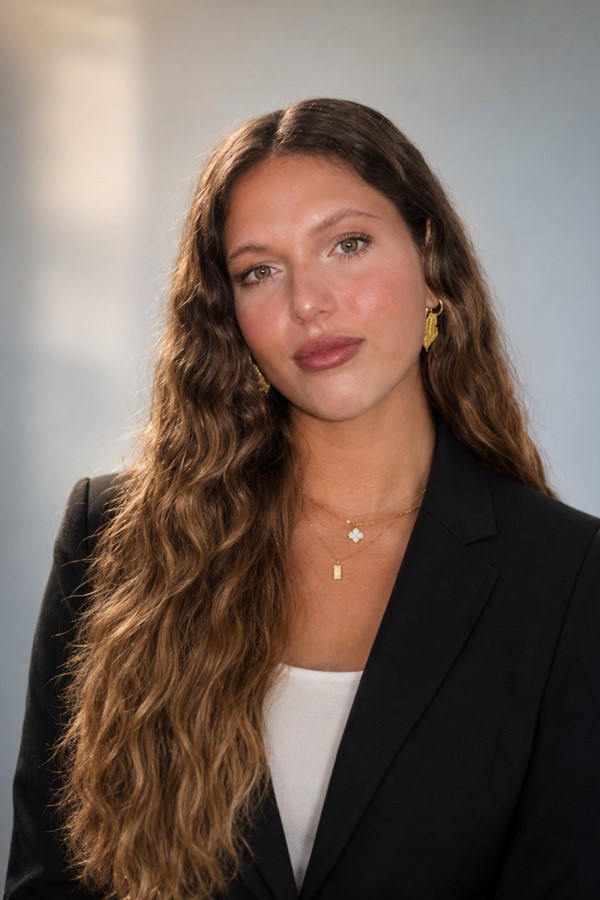
Sofia is a second-year thesis-track master’s student in the Department of Biomedical Engineering at the University of Miami. She earned two bachelor’s degrees from the University of Florida: a B.S. in Microbiology and Cell Science and a B.S. in Psychology, specializing in Behavioral and Cognitive Neuroscience.
At the University of Florida, she researched AAV9 gene therapy for Pompe disease, led outreach for underserved communities through UF HealthStreet, and conducted community outreach and research on Chagas disease with the Kissing Bug Alliance. Sofia also has years of experience in clinical care, research, and rehabilitation, caring for patients and helping neurodiverse athletes build strength, confidence, and independence. Her passion lies in using emerging technologies to address long-standing medical mysteries and improve patients’ quality of life through science, service, and innovation.
Under Dr. David Castilla-Casadiego’s mentorship at the University of Miami College of Engineering, she is fabricating dual-network dynamic nanofibrous hydrogels to direct human mesenchymal stem cell chondrogenesis for cartilage repair. Her research focuses on how injectable nanocomposite biomaterials influence stem cell behavior and regenerative outcomes for osteoarthritis and orthopedic tissue repair. Through her research, Sofia works to develop regenerative and rehabilitative solutions that reduce pain, restore mobility, and improve independence. Outside of research, she continues to serve her community by supporting health and wellness events, leading run clubs, and volunteering in environmental cleanups.
Ethan Moskovitz, High school senior at Ransom Everglades High School Max Farber, High school junior in the Science Research Program at Pine Crest School Carlota Nuñez, High school junior in Western High School College Giovanna Khoury, sophomore Biomedical Engineering major in the Honors Program at Georgia Tech
Laura Marcela Mejia, B.S. in Biomedical Engineering Emmanuela Yaffa Kremen, B.S. in Biomedical Engineering Serena-Axelle Nga Ebode, B.S. in Biomedical Engineering Mateo Illeman, B.S. in Biomedical Engineering Ava Rannazzisi, B.S. in Biomedical Engineering Janice Darkwah, B.S. in Health Science Alessandro O’Neil, B.S. in Biomedical Engineering Valentina Lo Cane Mende, B.S. in Neuroscience, minor in Biomedical Engineering Defne Samilgil, B.S. in Biomedical Engineering Will Tighe Cassidy, B.S. in Biomedical Engineering Jonathan Oliver Naas, B.S. in Biomedical Engineering Ali Sameh Hussein, B.S. in Biomedical Engineering Abby Elizabeth Byrne, B.S. in Biomedical Engineering Diego Alberto Balda, B.S. in Biomedical Engineering